


Mindful Futures Initiative
Real Tools for Real Life — Mindfulness
The majority of our site is still under progress. But feel free to click below to either 1) view a short overview of our organization / outcomes or 2) to email us for information.
our impact
Most come back for more — 75% return, and 25% take 7+ classes.
“There’s no doubt in my mind the mindfulness program has shown clear evidence of improvements in youth to self-regulate, calm, and fewer acts of violence overall.”
— Programming Director
KERN COUNTY JUVENILE PROBATION
our impact
We’ve worked with over 1,000 youth and taught over 10,000 hours of classes. In Kern County, every incarcerated youth gets access to our program.
Most come back for more — 75% return, and 25% take 7+ classes.
“There’s no doubt in my mind the mindfulness program has shown clear evidence of improvements in youth to self-regulate, calm, and fewer acts of violence overall.”
— Programming Director
KERN COUNTY JUVENILE PROBATION
“There’s no doubt in my mind the mindfulness program has shown clear evidence of improvements in youth to self-regulate, calm, and fewer acts of violence overall.”
<Name of Person>
PROGRAMMING DIRECTOR
KERN COUNTY JUVENILE PROBATION
our mission
We’re a nonprofit that teaches mindfulness to young people dealing with tough situations — including those in the justice system.
Our classes help you handle stress, stay focused, make better decisions, and feel more in control of your life.
No spiritual stuff, no pressure — just real tools that help. And it’s always free.
our mission
We’re a nonprofit that teaches mindfulness to young people dealing with tough situations — including those in the justice system.
Our classes help you handle stress, stay focused, make better decisions, and feel more in control of your life.
No spiritual stuff, no pressure — just real tools that help. And it’s always free.
what do we offer?
Customizable classes, flexible start dates
Minimal lift for facility satff
No-cost title 15 compliant STC adaptable
what we teach
Our trauma-informed curriculum helps student builds:
Self
Regulation
Impulse
Control
Gratitude
Self
Esteem
Focus &
Concentration
Compassion
Coping With
Trauma
Acceptance
“There’s no doubt in my mind the mindfulness program has shown clear evidence of improvements in youth to self-regulate, calm, and fewer acts of violence overall.”
<Name of Person>
PROGRAMMING DIRECTOR
KERN COUNTY JUVENILE PROBATION
our teachers
Our teachers come from all kinds of backgrounds — some were locked up.
Others are artists, poets, athletes, or mentors.
They get it — they’ve lived through real struggles, and used mindfulness to come out stronger. That’s why they’re so good at connecting with others.
We monitor, train, and compensate our instructors well and handle all logistics and travel so that working with us is seamless for facilities.

Jane Smith
Sed ut perspiciatis unde omnis iste natus error sit voluptatem accusantium doloremque laudantium, totam rem aperiam, eaque ipsa quae ab illo inventore veritatis et quasi
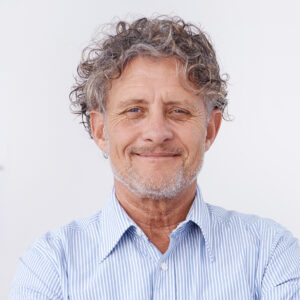
Mike Jone
Lorem ipsum dolor sit amet, consectetur adipiscing elit, sed do eiusmod tempor incididunt ut labore et dolore magna aliqua. Ut enim ad minim veniam, quis
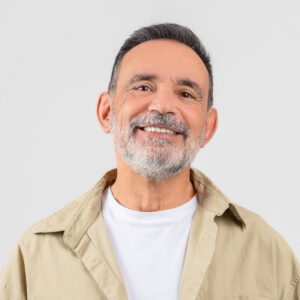
Jordan Reyes
Jordan is a former youth offender who discovered mindfulness while serving time and now uses it to mentor others. With a background in spoken word
we serve youth
on probation,
parole, or recently
released
in juvenile halls,
camps, or locked
facilities
in court schools,
treatment centers,
or diversion centers programs
young women
who’ve been
through serious
struggle
officers and staff
LEARN MORE
CONTACT US
media
ABC news clip
Posted 3 months ago • 14k views • 300 comments • 1k shares
evidence
evidence
Case Study 1
At a juvenile camp in Central California, mindfulness classes were offered as an optional alternative to video games or movies during recreation. Within a month, over half of the youth chose to attend sessions weekly. Staff reported a noticeable drop in fights and an increase in students asking for help managing anger and anxiety.
Case Study 2
A 17-year-old participant initially struggled with isolation and frequent outbursts. After four weeks of mindfulness practice, he began leading check-ins and helping peers through breathing exercises. By the end of the program, he earned a certificate and spoke at the closing ceremony, saying, “This class helped me learn how to pause before I lose it.”